
BUILT ON STRONG FOUNDATIONS
INTEGRATED REPORT
2026
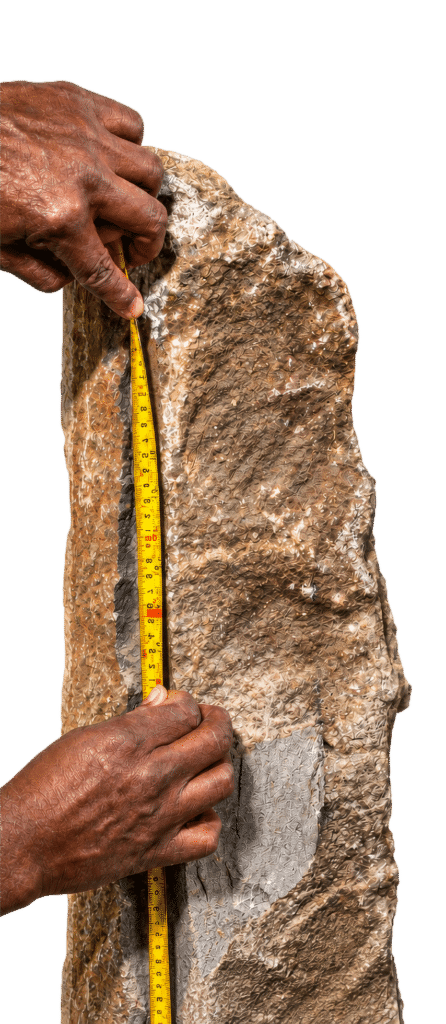
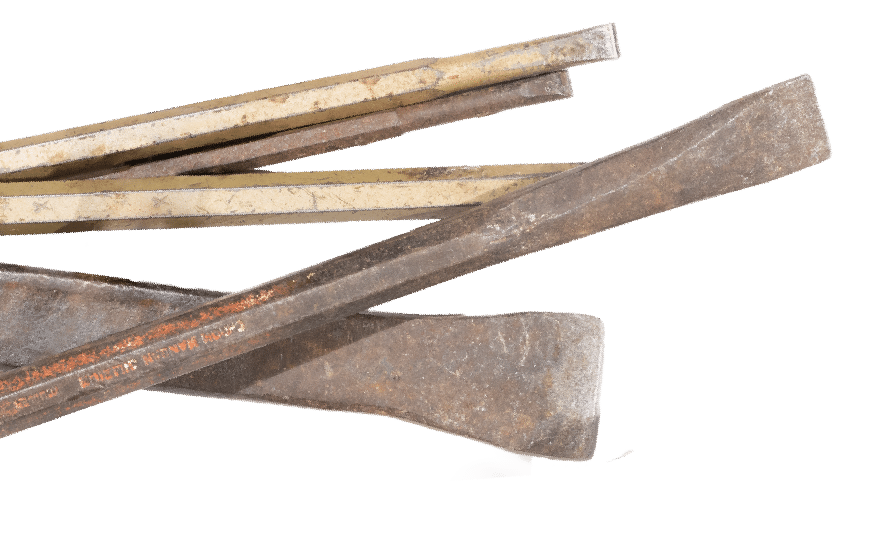
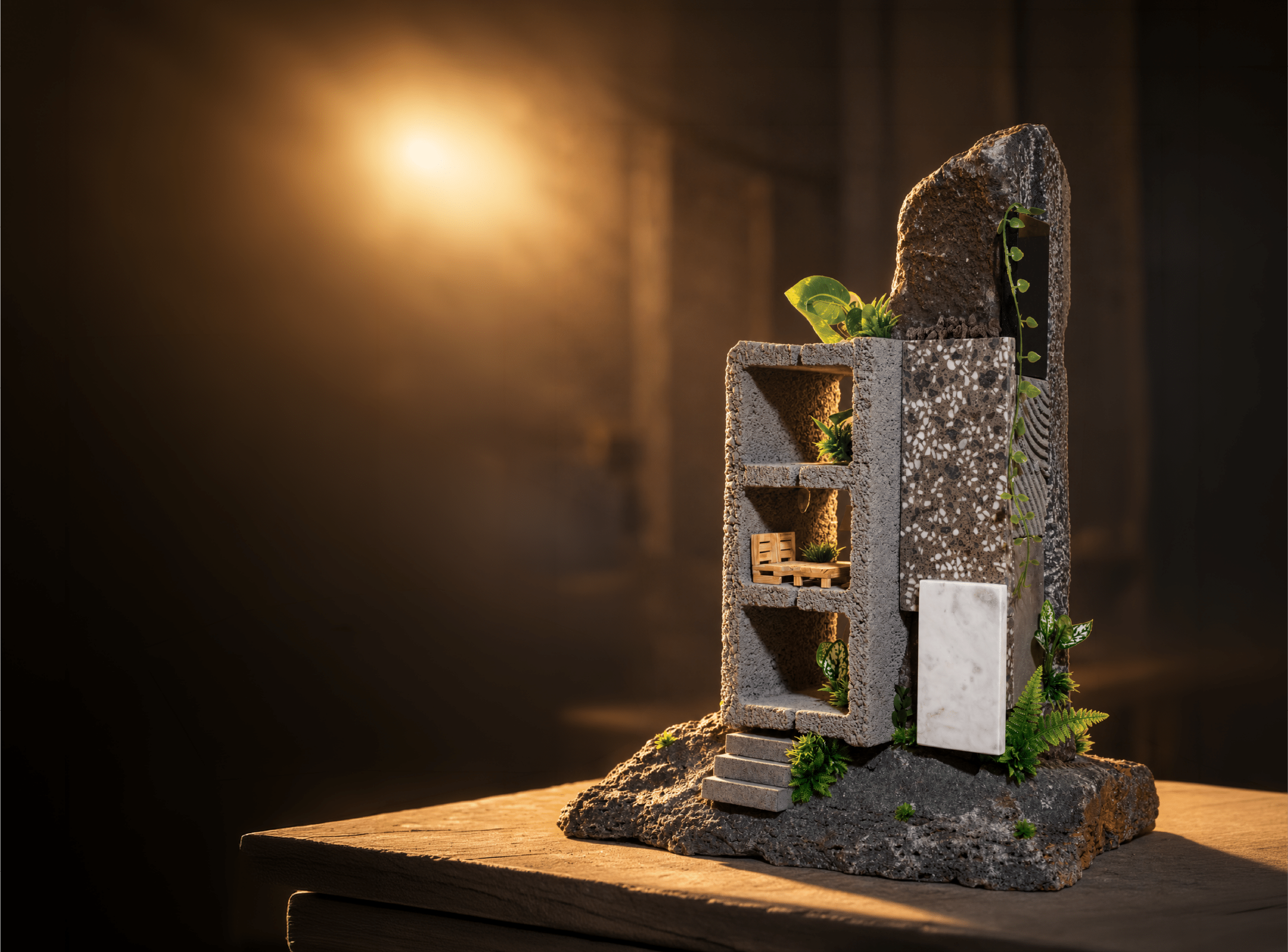
For this year’s Integrated Report, we collaborated
with Mauritian artist Jean Michel Hotentote to bring
UBP Group’s story to life through an original sculpture
inspired by basalt, the stone at the heart of our
foundations.
Blending materials, textures and forms that symbolise
our different businesses, this work of art reflects our
journey of growth, transformation and diversification.

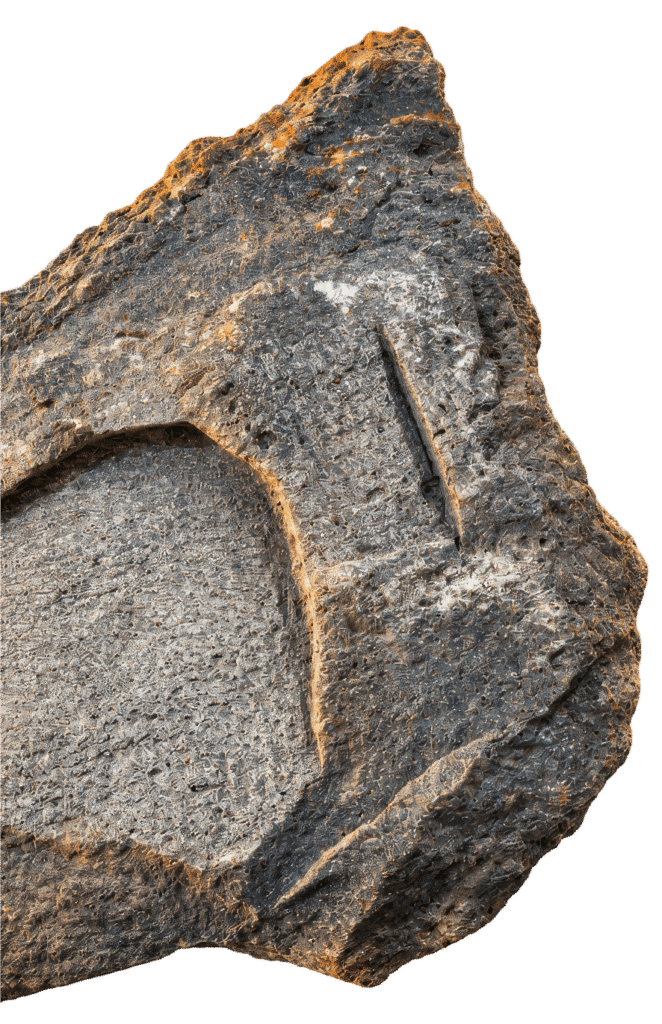
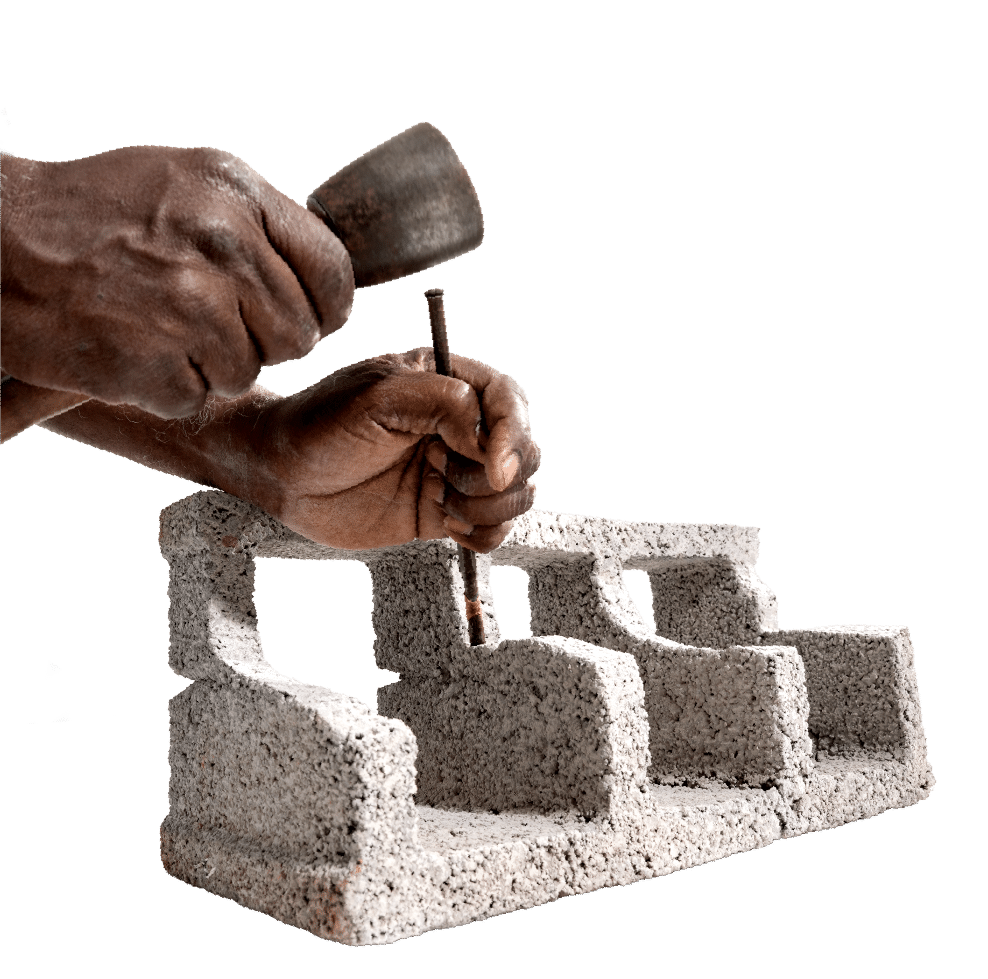
I have been rock embedded in the land. I have been crushed into tiny pieces to become aggregate.
I have been mixed, moulded and reborn as rivers of concrete and the fine dust of mortar that blows with the wind.
I have been combined and reshaped into countless forms.
And with every new form, I have become part of something greater.
Just like the Group that grew from me.
From its roots in basalt to a diversity of businesses, territories and expertise, the Group has continued to evolve, building on its heritage while embracing new possibilities.
We have both travelled far from where we began. We have weathered storms, taken different forms, crossed new boundaries and found new purpose.
Yet through it all, our foundations have remained unshakeable.
For true strength is not about remaining unchanged. It is about building on foundations strong enough to evolve, diversify and grow stronger together.
I AM BASALT.
IN THE BEGINNING,
THERE WAS FIRE.
From the molten heart of the earth, an island emerged.
And over time, the fire gave way to stone.
I am that stone.
Basalt.
Time shaped me. Wind and rain left their mark upon me.
Yet through every season, I endured.
For ages, I was simply part of the landscape.
Until one day, people looked at me differently.
They did not see only stone.
They saw possibility.
UBP
I was lifted from the earth and broken into fragments.
It may sound like an ending. But it was the beginning of something new.
I came to understand that a change of form could reveal a new purpose.
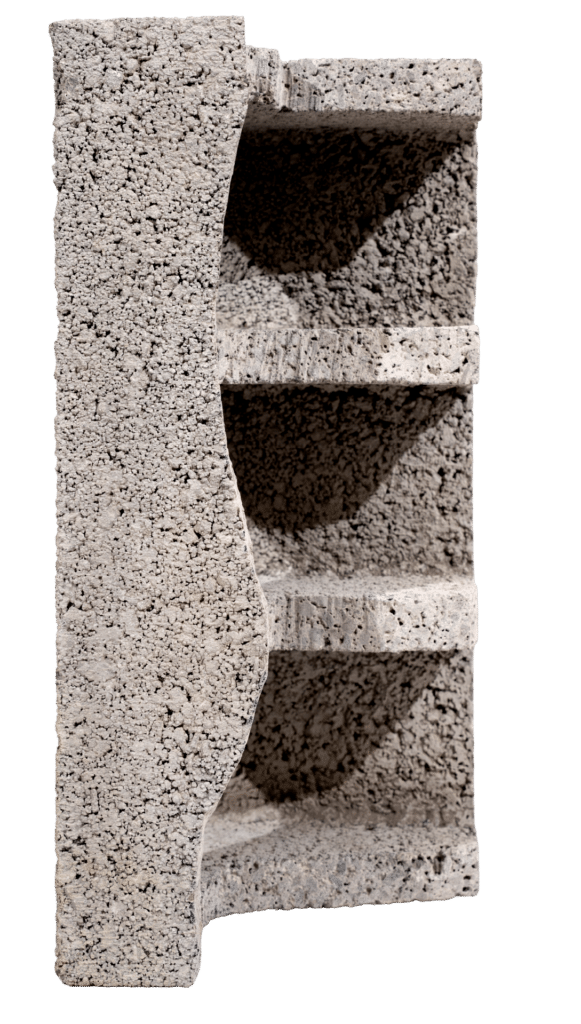
As aggregates, I became the starting point for roads, foundations and structures. In the hands of people who understood my potential, I could be shaped and used in ways I could never have imagined.
My form changed, but my essence endured.
I was no longer simply part of the land.
I was helping to build upon it.
PREMIX
Then, I learned to flow.
Combined with cement, water and human knowledge, I became concrete: fluid enough to take the shape required of me, yet strong enough to carry what would come after.
I travelled where solid stone could not – into foundations, columns, floors and structures designed for the lives that would unfold around me.
I could provide strength. But I could also reveal beauty.
Strength, I discovered, does not always mean remaining unchanged.
Sometimes, strength lies in the ability to adapt.
DRYMIX
My journey continued in a finer form.
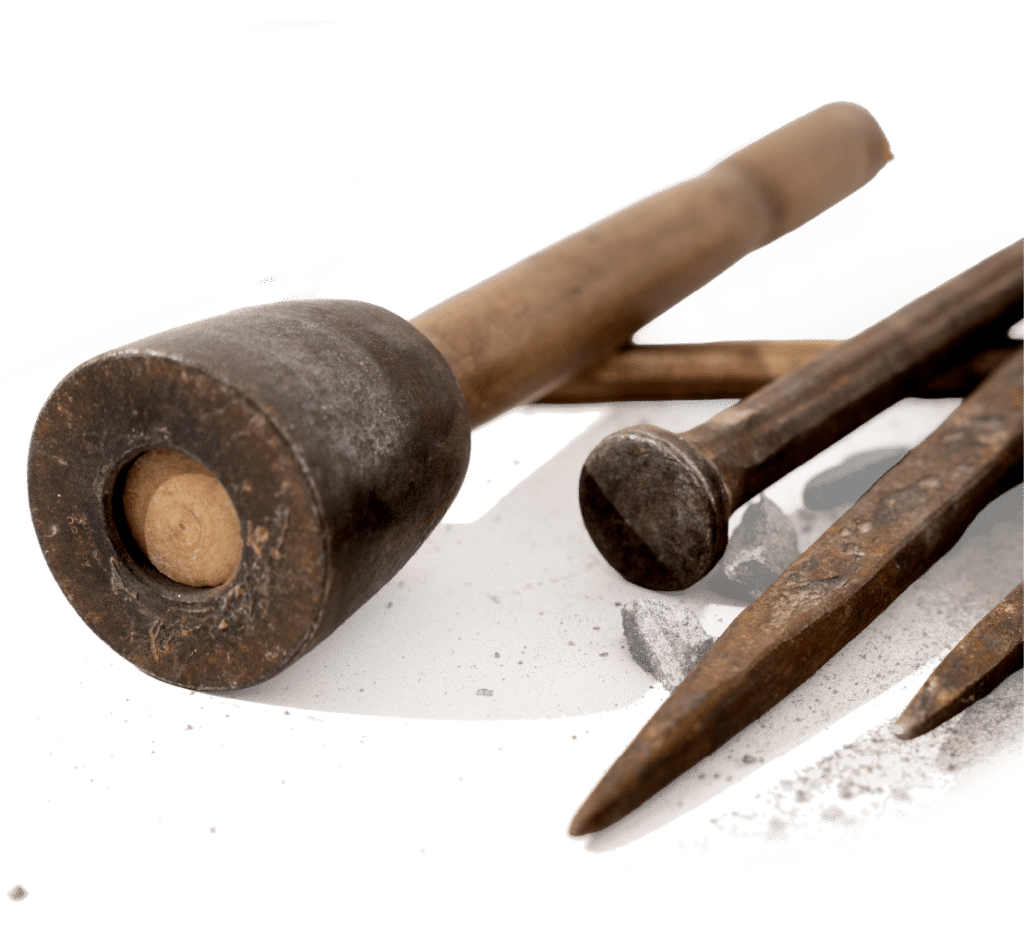
Measured carefully and combined with other materials, I became part of the mortars that bind, protect, repair and finish.
Not every contribution is immediately visible. Some lie between the blocks, beneath the tiles or across the surface of a wall.
They may go unnoticed, but they help to hold the whole together.
I had learned that, even when unseen, I continued to serve the same purpose:
Helping to create homes, support lives and enable progress.
ESPACE MAISON
Over time, I discovered that what I helped to build could also be equipped, finished and made personal.
Light revealed new dimensions. Colour, texture and carefully chosen objects transformed the spaces around me.
Here, possibility became personal – a pathway laid, a room completed, an outdoor space brought to life.
A building may begin with stone and concrete.
But it becomes meaningful through the life created within and around it.
GROS CAILLOUX
Though I had taken many forms, my roots remained in the land.
Among rock banks, fields, plants and growing things, I became part of a landscape shaped by cultivation and care.
Here, stone met soil. Around me, roots took hold and life emerged.
I was reminded that building does not always mean raising structures.
Sometimes, it means creating the conditions in which something can grow.
BAZALT RÉUNION
My story was never confined to one island.
Beyond the horizon, on a sister island also born of fire, I was already there-formed by the same ancient forces and shaped by time.
There, too, people looked beyond the stone and saw possibility. I was quarried and crushed, mixed into concrete, shaped into precast forms and made available to those who would build with me.
The landscape was different, but the purpose was familiar.
Across two islands, I became part of a wider story.

UBP
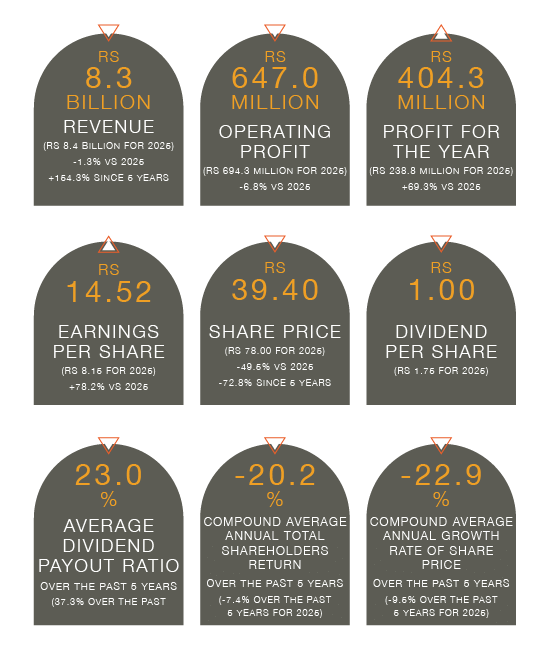
UBP is a public listed entity with over 70 years of experience in the construction materials industry, with a comprehensive range of products and services that provides a full-service offering for customers, saving time and effort. UBP’s long history of success and large base of some 4,500 shareholders demonstrate the company’s stability and reliability. With a workforce of over 700 employees and a contribution of Rs 105.4 million to the Group’s profit after tax for FY2026, UBP has established itself as a market leader in the Mauritian construction materials industry.

PREMIX
Established in 1966, Premix has built a strong reputation in ready-mixed concrete solutions over the last 60 years. The company was part of the Group since its creation and became a fully owned subsidiary in 2021. Through its technical expertise and service offering, Premix, which now has a team of 107 employees, supports projects of different sizes and requirements while complementing the Group’s wider range of construction solutions.

DRYMIX
Established in 1996, Drymix was the first ready-to-use dry mortar manufacturer in Mauritius and is now a driving force in the industry. With a team of 113 dedicated professionals, an ISO-certified laboratory, a wide range of products and a production capacity of 100,000 tonnes per annum, Drymix will continue to provide Mauritians with building solutions for years to come. Drymix’s contribution to the Group’s profit after tax for FY2026 was Rs 3.5 million, demonstrating the company’s resilience.

ESPACE MAISON
Espace Maison is the leading home improvement retailer in Mauritius, helping customers improve their living spaces and outdoor environments since 2002. With six stores strategically located across the island and a workforce of 305 employees, Espace Maison offers an unrivalled selection of over 33,000 high-quality products for indoor and outdoor use, including decoration and lighting, bathroom and sanitaryware, gardening and pets, and hardware and paints.

GROS CAILLOUX
Gros Cailloux, established in 1939 and fully owned by UBP since 2004, is an estate of more than 950 acres of land at Gros Cailloux, Petite Rivière that offers a unique mix of services and activities, serving diverse needs and interests. Encompassing agribusiness, landscaping and leisure, and firmly rooted in the community it serves, Gros Cailloux has a workforce of 160 employees and plays an important role in the local economy. Gros Cailloux contributed Rs 0.3 million to the Group’s profit after tax for FY2026. In addition to profitability, Gros Cailloux prioritises community engagement, environmental stewardship, and an unwavering commitment to quality. These values have earned Gros Cailloux the trust of its stakeholders, from customers to local residents.

BAZALT RÉUNION
Bazalt Réunion was incorporated by UBP on July 01, 2024, following the acquisition of six construction materials companies and their subsidiaries in Reunion Island for € 83.4 million. Bazalt Réunion is a key player in the island’s construction industry. The companies within Bazalt Réunion operate in two main business lines: concrete and construction aggregates; and import and distribution of construction components, supplies and industrial tools for the construction sector. Bazalt Réunion contributed € 3.07 million (Rs 163.6 million) to the Group’s profit after tax for FY2026.
Anzemberg Mayotte and Préfabéton Mayotte were also incorporated during FY2026, strengthening the Group’s presence in the Indian Ocean region.
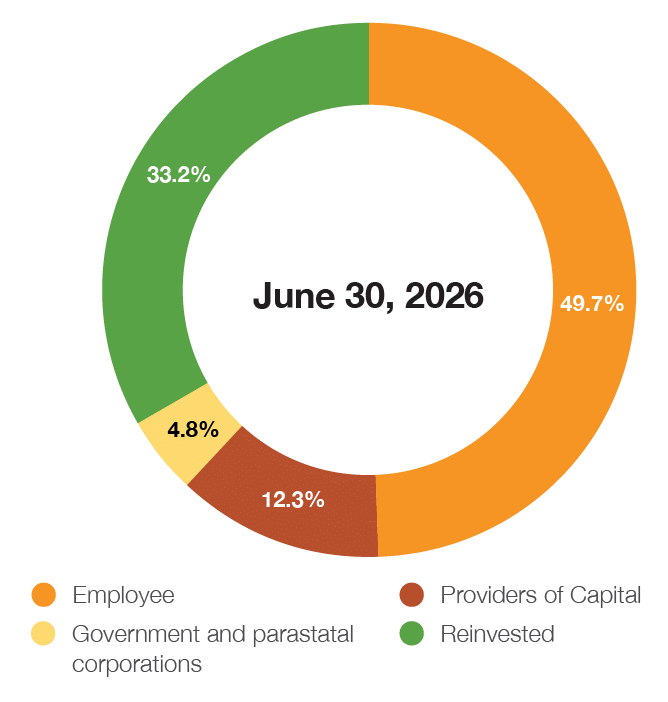
FINANCIAL HIGHLIGHTS
REVENUE
Group revenue for FY2026 decreased by Rs 105.4 million, from Rs 8.4 billion to Rs 8.3 billion, a drop of 1.3%.
REVENUE SHARE
BY SEGMENT

74%
BUILDING
MATERIALS –
TRADING

11%
BUILDING
MATERIALS –
TRADING

13%
RETAIL

2%
AGRICULTURE
CHAIRPERSON'S STATEMENT
BUILDING ON STRONG FOUNDATIONS
This is my fifth and final statement as Chairperson of The United Basalt Products Limited. I have chosen to use it a little differently from previous years. Alongside my report on FY2026, I want to look back across the five years of my chairmanship and set out, as honestly as I can, the Group I am handing over to my successor, Patrice Robert, and to the Board.
FY2026 was a difficult year to end on. Mauritius experienced a slowdown in the large construction projects that had underpinned demand for our products. Inflation ate into consumer purchasing power, affecting our retail segment, Espace Maison. Fuel prices rose twice during the year, feeding directly into the cost of the raw material we mine for our crushing operations, and adverse exchange rate movements added further pressure on import costs. In Réunion, conditions were equally hard: a slower than anticipated recovery in French government-funded social housing kept construction demand subdued. Against that backdrop, Group revenue held broadly steady at Rs 8.3 billion, though profitability came under pressure.
One development this year deserves comment at Board level. A regulatory review of the buffer zones required around our stone crushing plants is underway, and it is placing considerable strain on our operations. The Board takes the matter seriously and is engaging through the appropriate legal channels to protect the Group’s position. It is a reminder that the regulatory environment in Mauritius can shift quickly, and requires the same level of Board attention as the developments within the businesses they oversee.
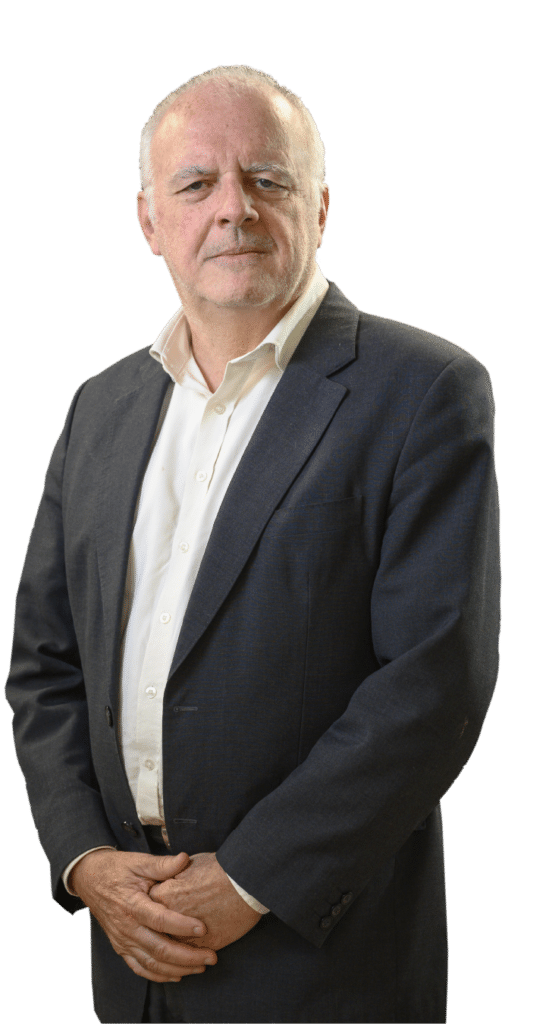
JEAN-CLAUDE BÉGA
CHAIRPERSON
GROUP CEO’S INTERVIEW
WHAT SHAPED THE GROUP'S
PERFORMANCE IN FY2026?
FY2026 tested the Group on many fronts. We entered the year still absorbing the investment in Réunion and conscious of the need to manage our debt carefully. As the year progressed, the operating environment became more difficult.
In Mauritius, fewer construction projects came to market, intensifying competition in Building Materials. Geopolitical tensions added to inflationary pressures, driving up the price of cement, electricity and fuel and squeezing margins in both the Building Materials and Retail segments. Higher building costs and reduced purchasing power understandably made our customers more cautious about their spending. We absorbed as much of these cost increases as we reasonably could, but price adjustments became necessary in March and July to maintain the viability of our operations and the quality of our products and services.
Reunion faced a similar slowdown, with construction activity well below historical levels. Nonetheless, Bazalt Réunion continued to grow and outperform the market, making it the Group’s largest contributor to profit in FY2026, and confirming the value of our investment.
Measured against these conditions, the Group delivered a satisfactory performance, a clear sign of the commitment and adaptability of our teams.
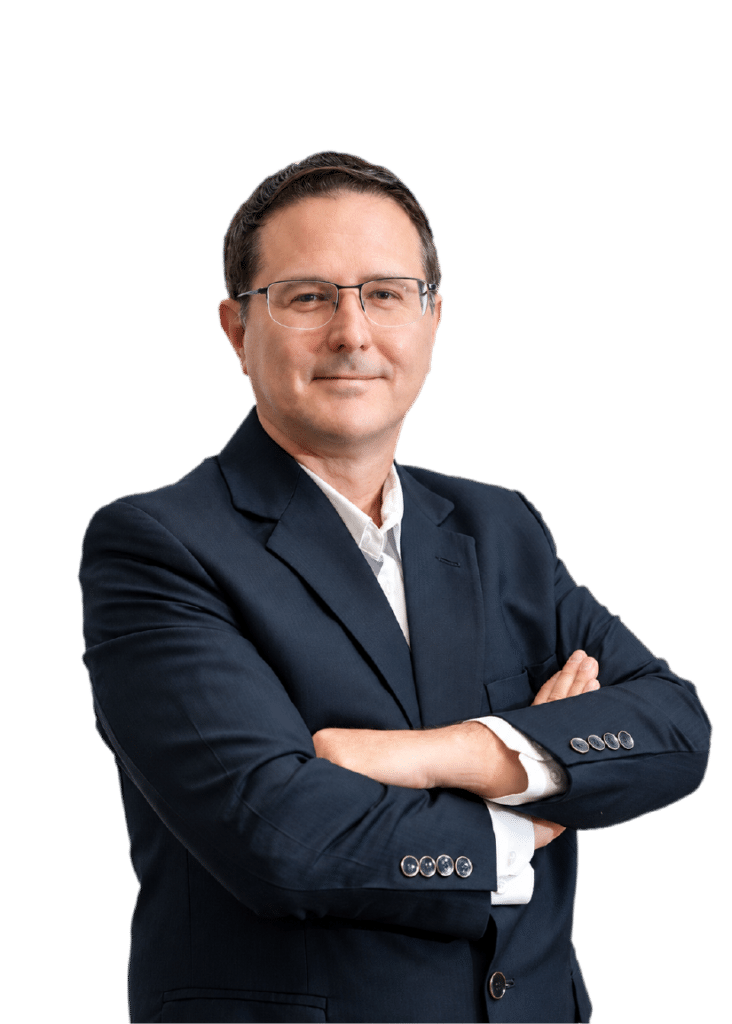
STEPHANE ULCOQ
GROUP CEO

READ FULL MESSAGE

STRATEGY
UBP Group’s strategy provides the framework through which the Group creates and protects value over time. Anchored in our purpose and informed by the markets in which we operate, it guides how we allocate resources, develop our businesses and respond to the needs of our stakeholders.
Our strategy is built around four priorities: Stakeholder Engagement for Innovation, Organisational Agility and Efficiency, Impact-Focused Operations, and Integration of Responsible Practices. Together, they guide decision-making across the Group and support our ability to respond to change, strengthen operational resilience and pursue sustainable growth.
These priorities are embedded across our activities and influence how we manage and develop the six capitals on which our business depends.
READ FULL STRATEGY

1.
STAKEHOLDER
ENGAGEMENT FOR
INNOVATION
We listen to and collaborate with our stakeholders to anticipate their needs and develop solutions that add value to the markets and communities we serve.
2.
ORGANISATIONAL AGILITY AND EfFFECIENCY
We strengthen systems and processes to improve collaboration, optimise resources, and respond quickly to changes in our operating environment.
3.
IMPACT-FOCUSED OPERATIONS
We focus on performance that creates positive economic, social and environmental impact, ensuring value creation is sustainable and meaningful.
4.
INTEGRATION OF RESPONSIBLE PRACTICES
We embed responsibility into our strategy and day-to-day operations, from resource management to people development, to ensure long-term resilience.

Group CFO’s Report
MAINTAINING FINANCIAL DISCIPLINE IN A CHALLENGING YEAR
In a challenging year, UBP’s financial discipline underpinned a resilient set of results. The Group protected its revenue, reduced its borrowings and strengthened its balance sheet, while reported profit increased. Behind these results lie two contrasting performances: continued growth in Reunion, and a Mauritian market in which slower construction activity, weaker consumer spending, and rising costs put earnings under pressure.
DHUENESH RAMBARASSAH
GROUP CFO
DIVISIONAL REVIEW
UBP
FY2026 PERFORMANCE
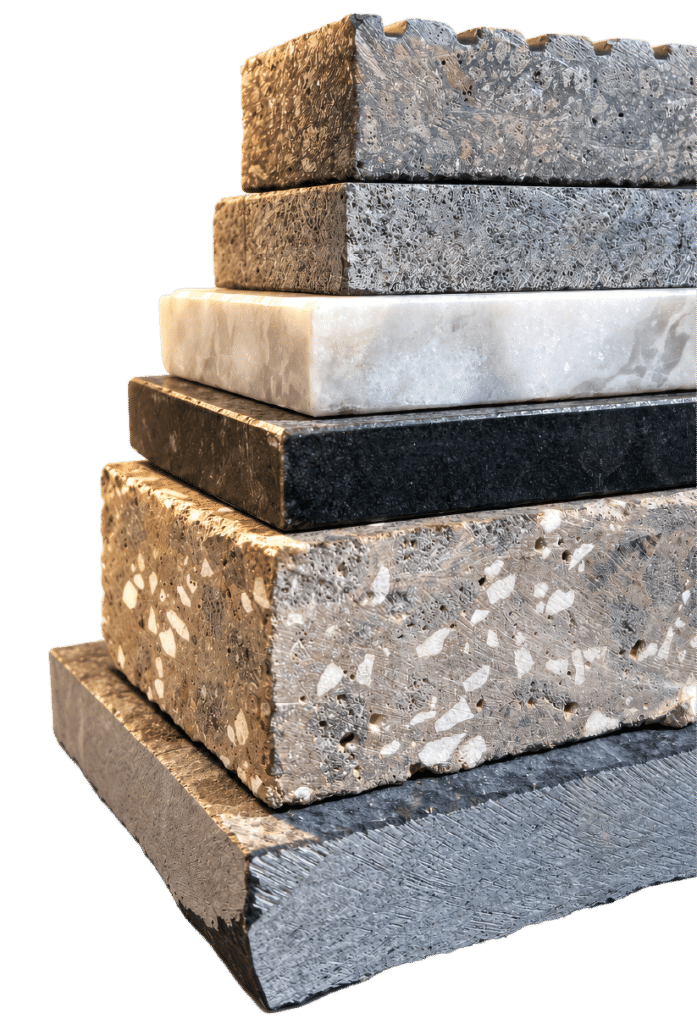
UBP is the Group’s aggregates, blocks, and precast business. On one side of the business, quarrying and crushing activities feed aggregate and block production for the construction sector; on the other, precast concrete products, such as slabs, beams, concrete pipes, roof tiles, U-drains, and marble, are manufactured to order. 2026 was a year of internal transition for UBP, with an internal reorganisation that better defined and differentiated the core proposition of both sides of the business. At the same time efforts progressed to build closer collaboration with sister companies Premix and Drymix under the Group’s Building Materials segment.
PREMIX
FY2026 PERFORMANCE
Last year Premix crossed a landmark revenue threshold for the first time – Rs 1 billion revenue. FY2026, by contrast, was about holding our position and protecting our market share under real cost pressure, rather than continuing our growth trajectory. Government infrastructure spending slowed sharply during the year as public bodies became more cautious amid the same geopolitical pressures, impacting Premix’s infrastructure project business. Residential building and villa construction were the two segments that continued to drive activity.
A structural shift also became more visible: some of Premix’s traditional clients have themselves become vertically integrated developers, sourcing, building and marketing their own projects. This has intensified competition for our traditional customer base and contributed to the “buyer’s market” we have faced this year. We have responded by consolidating rather than chasing new segments. We continued to focus on our small and medium-sized enterprise (SME) and individual client base, and strengthened our proximity to existing customers. We focused on service quality, operational excellence and cost discipline.
This vertical integration has added further capacity to an already competitive market, intensified pressure on Premix’s traditional customer base and contributed to the increasingly pronounced “buyer’s market” experienced during the year.
In response, Premix has remained disciplined in its commercial approach, prioritising consolidation and customer retention rather than pursuing volume at any cost. We have continued to strengthen our SME and individual customer base while reinforcing our proximity to existing customers. Our focus has remained on service quality, operational excellence, technical expertise and cost discipline, while adapting our commercial approach to the evolving competitive landscape.
DRYMIX
FY2026 PERFORMANCE
Operationally, FY2026 was a good year for Drymix, even though sales volumes finished a little below budget. The year’s financial result also reflects the resolution of a long-standing reconciliation issue between physical stock and the invoicing system, cleared through a full inventory and an exceptional write-off of ageing spares and pallets. This was an accounting and stock control matter that had built up over a number of years, rather than any reflection of the year’s trading or service performance, and new controls are now in place to prevent a recurrence.
Retail trading was a highlight, while the corporate and contractor customer base saw subdued activity for part of the year, before beginning to recover. Total production finished below that of prior year, driven partly by the completion of the national social housing programme (NSLD) rather than any loss of underlying position. Because NSLD was lower-margin business, our margins held up well despite the slightly lower volumes. However, due to the stock reconciliation and write-off, there was a reduction in gross profit margin for FY2026, at 14.6%, down from 19.0% in FY2025.
ESPACE MAISON
FY2026 PERFORMANCE
FY2026 remained a difficult year for Espace Maison, with performance continuing to fall below expectations. Pressure on consumer spending and rising sourcing and operating costs affected the business, while product availability, the cost structure and disparities in performance across our stores also weighed on results.
The year confirmed that a more fundamental turnaround was required. Our priority was therefore to understand the causes of the underperformance and establish the actions needed to restore the business to a positive performance.
GROS CAILLOUX
FY2026 PERFORMANCE
FY2026 was a challenging year that prompted a thorough reassessment of our priorities and a sharper focus on the activities capable of delivering sustainable value. Progress was not uniform. Once again, agriculture fell short of expectations, reinforcing the need to reassess the viability of certain activities and refocus our agricultural operations. We were not prepared to persevere with an approach which the results no longer supported. By contrast, the plant nursery had a strong year, finishing ahead of budget; and landscaping underwent a repositioning around a new specialist offer. Gros Cailloux enters FY2027 with a much clearer sense of where its strengths lie and where efforts should now be directed.
BAZALT RéUNION
FY2026 PERFORMANCE
Bazalt Réunion held its ground in a difficult year. Trading in Reunion, through Anzemberg, kept its market share despite a weak business climate, though growth was limited beyond that. On the industrial side, a competitor’s decision to scale back production capacity created some additional volume for prefabrication, and Préfabéton had a strong year, offsetting softer results elsewhere in the industrial business. That strength reflects a broader shift toward off-site construction, partly linked to an ageing pool of skilled labour in the traditional building trades.
Mayotte experienced mixed fortunes. The pipeline of projects was substantial, but many customers faced financing difficulties with their own contracting authorities, which stalled sites and held back sales relative to Mayotte’s underlying potential. The Préfabéton depot, operational for a year now, nonetheless opened the business to customers beyond the largest players and enjoyed steady progress, even if growth fell short of expectations.
Despite a difficult year commercially, we had no redundancies, unlike others in the sector. We chose instead to keep our teams in place and ready for better conditions ahead. This matters as much as the numbers.
PEOPLE
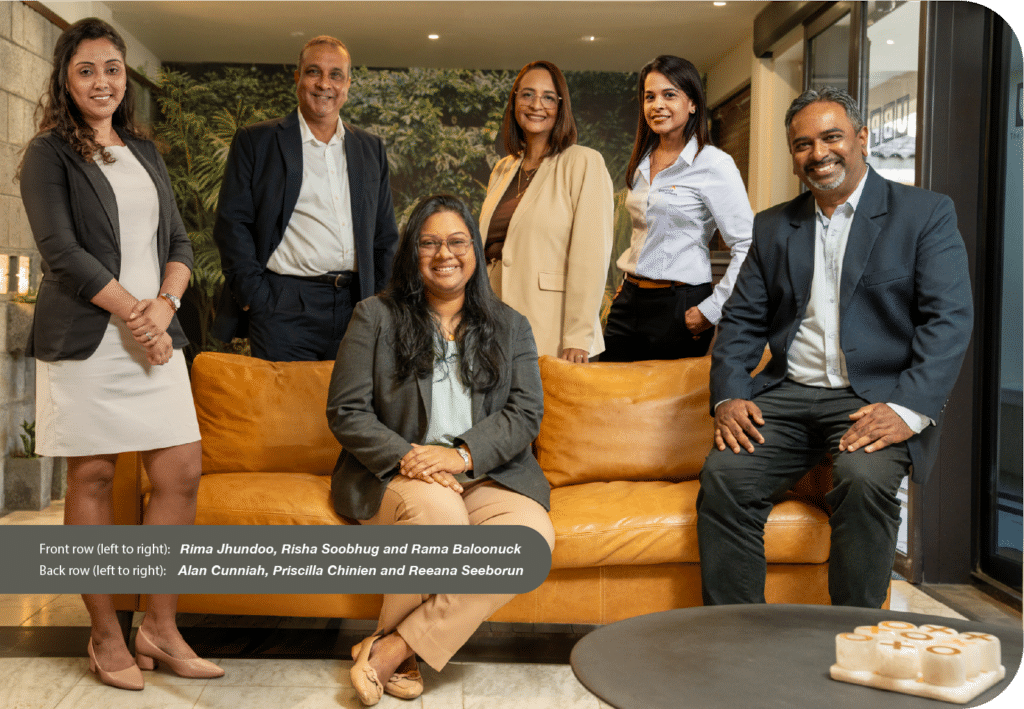
HUMAN CAPITAL ROUNDTABLE
This roundtable brings together members of the HR teams from across UBP Group’s Mauritian entities. The discussion explores how the Group is developing the skills and capabilities it needs for the future, while responding to the changing expectations of its workforce.
Participants reflect on the progress made in coordinating HR practices across the Group, developing talent, strengthening succession planning and improving performance management. They also discuss employee wellbeing and engagement, recruitment and retention challenges, and the factors that contribute to building a positive and lasting employee experience across the Group.

READ FULL ROUND TABLE CONVERSATION
COMMUNITY ENGAGEMENT AND SOCIAL IMPACT
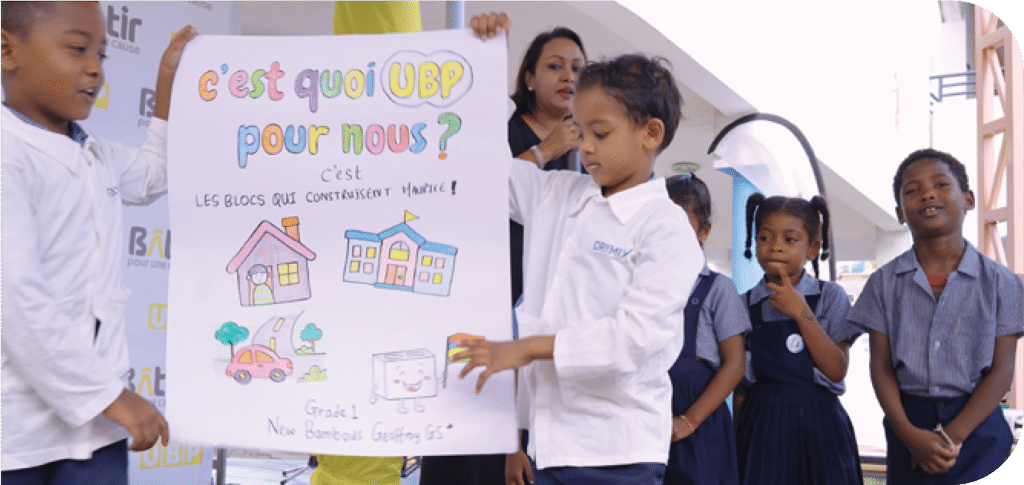
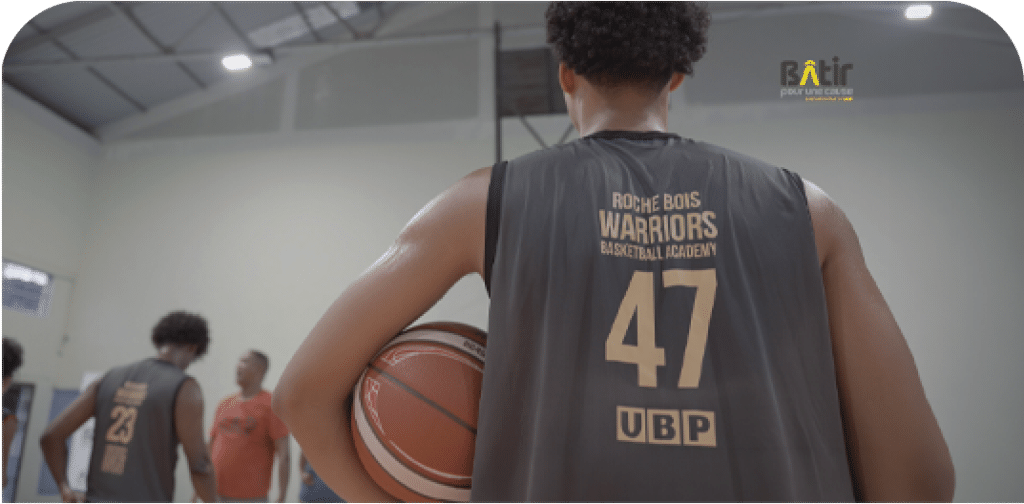
Bâtir pour une cause
The UBP Group has always been committed to responsible corporate citizenship and historically has supported CSR initiatives concerning education, socio-economic development and the environment. This year we have given our community engagement more structure through the creation of Bâtir pour une cause, which aims to bring our CSR strategy more closely in line with the Group’s business activities and ultimately with our purpose: Bâtir ensemble un cadre de vie meilleur, or Building a better living environment together. It also promotes more direct employee engagement, as employee volunteering moves – globally – from being part of CSR to an important feature of a well-rounded people strategy.
Rather than supporting a fixed roster of NGOs, Bâtir pour une cause focuses on a cause or acknowledged need. We identified nine sites and nine commitments and developed locally owned and locally run activities. At the same time we encouraged our employees to contribute their time and skills to the communities in which they live and work. Companies are increasingly recognising that community engagement and employee engagement are two sides of the same coin, as workers are drawn from the areas surrounding a company’s business locations. Through direct participation in community activities, employees contribute tangibly to causes that matter to them and which are supported by their employer. As a result, employees are more likely to feel recognised and connected to the organisation. That sense of alignment can strengthen engagement by linking community impact with employee purpose.
DEAR SHAREHOLDERS,
The Board of Directors (the ‘Board’) of The United Basalt Products Limited (the ‘Company’ or ‘UBP’) is pleased to present the Integrated Report of the Company for the year ended June 30, 2026 (the ‘Report’). This Report was approved by the Board on September 24, 2026.
FORWARD-LOOKING STATEMENTS
This report contains certain forward-looking statements regarding the results and operations of the Group which, by their nature, involve risk and uncertainty, because they depend on circumstances that may or may not occur in the future. Although forward-looking statements contained in this presentation are based upon what management believes are reasonable assumptions, undue reliance should not be placed on them.

PATRICE ROBERT
CHAIRPERSON
© 2026 UBP Integrated Report. All rights reserved